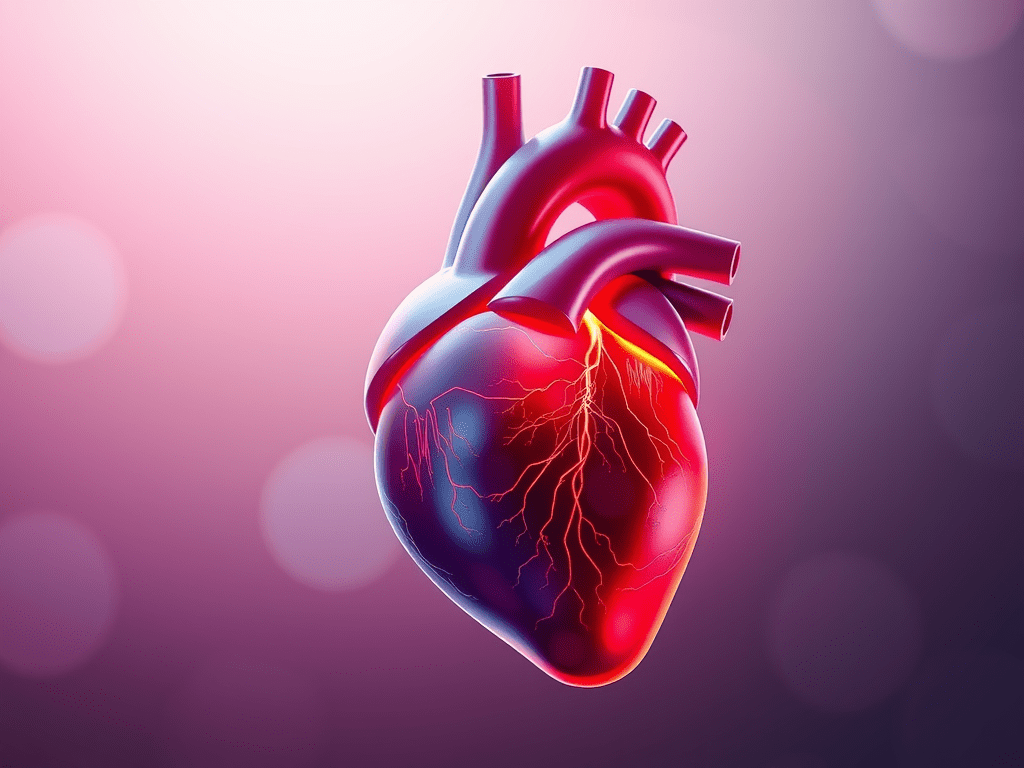
If you’re a fitness junkie or in healthcare you’ve probably heard the term countless times before. But what does it really mean – and why is it so important?
Cardiac output is the volume of blood your heart pumps out per minute. It is a direct reflection of how hard and how efficiently your heart is working.
Cardiac Output = Heart Rate x Stroke Volume
Heart Rate: beats per minute (bpm)
Stroke Volume: The amount of blood ejected in each beat.
Think about it, cardiac output is simply how much blood your heart pumps out in a minute. For example, if your heart beats at 60bpm and it ejects 70ml in each beat (stroke volume). Then your cardiac output can be calculated the following way:
Cardiac Output = 70bpm x 70ml = 4,900ml/min or simply 4.9L/min.
In this example the heart is pumping out 4.9L every minute so in this example the Cardiac Output is 4.9L/min.
Ok, so what does this mean?
This is where it gets interesting.
Your cardiac output directly depends on the body’s demands. When your body’s energetic requirement increases for example, when you climb a long set of stairs, your heart rate increases raising the cardiac output to meet the body’s demand.
If the heart rate were not to increase accordingly, not enough oxygen in the blood would get to the brain on time and you would instantly start getting dizzy and might even pass out from the lack of oxygen (hypoxia) to the brain.
So now you’re starting to understand why cardiac output is so important!
The heart must be perfectly in sync with the body’s demands in order for you to be able to function correctly at all times (talk about a hard job).
This is where heart disease comes in, anything that disrupts the heart from meetings the body’s demands will lead to concerning symptoms like fatigue, shortness of breath etc. but that is a topic for another day.
At rest the average adult has a cardiac output between 4-6L/min. But during intense exercise, it can increase up to 20L/min and up to 35L/min in elite athletes. This is achieved by:
- Increasing heart rate up to 160-180 bpm
- Increasing stroke volume up to 100-120ml per beat.
Why cardiac output is so important in physiology and training?
Cardiac output is central to:
- VO₂ max (oxygen delivery is CO × a‑vO₂ difference)
- Blood pressure (CO × total peripheral resistance)
- Recovery tracking (abnormal CO during exercise = red flag)
Your heart isn’t just beating — it’s calculating and adapting every second to meet your needs
TL;DR: The Takeaway
- Cardiac output = heart rate × stroke volume
- It tells us how well your heart delivers blood and oxygen
- It rises with exercise, falls in heart disease
- It’s the cornerstone of cardiovascular performance.
Reference:
Costanzo, Linda S., “Costanzo Physiology, 7th Edition” (2022).
 Vital Capacity 🫁🫀
Leave a comment